


Western Star 49X vs. 47X: Which Model Fits Your Operation?
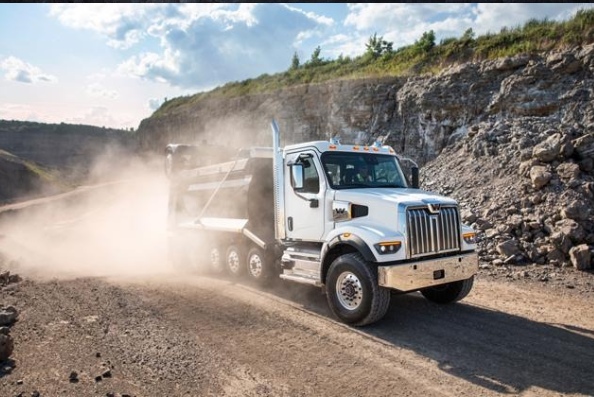
For fleet operators across Alberta and BC, choosing between the Western Star 49X vs. 47X isn’t about brand loyalty, it’s about aligning spec with application. Both trucks sit within Western Star’s X-Series lineup, engineered for vocational performance, durability, and uptime. But in practice, they serve distinct roles on the jobsite.
Here’s a breakdown focused on real-world decision-making: where each model excels, and how to spec the right truck for your operation.
Understanding the Core Difference
At a high level, the 49X and 47X are purpose-built for different operational demands.
- 49X: Heavy-duty flagship designed for severe-service, high-load applications
- 47X: More agile, weight-conscious vocational platform designed for versatility and manoeuvrability
The 49X is engineered for heavy haul, construction, logging, and oilfield applications, where fleets need consistent performance under high stress, demanding terrain, and continuous load cycles.
The 47X, on the other hand, is designed for applications where visibility, handling, and weight savings are essential, making it well suited for construction, municipal, and urban job sites that require frequent stops and tighter navigation.
For most fleets, the decision ultimately comes down to balancing load intensity with jobsite constraints, and choosing the truck that aligns with their most demanding daily conditions.
Powertrain & Performance: Matching Output to Application
From a spec perspective, the 49X offers a wider and higher-performance range of engines.
- 49X engine options: Up to 600+ HP and 2050 lb-ft torque (DD16, X15, etc.)
- 47X engine range: Typically smaller displacement engines, optimized for efficiency and vocational work
This difference matters in Western Canada, where terrain and load vary significantly.
Where the 49X stands out:
- Heavy-haul applications (lowboy, logging, equipment transport)
- Steep grade performance and sustained high torque demand
- Multi-shift operations where engine stress is constant
Where the 47X makes more sense:
- Municipal fleets, dump trucks, mixers
- Urban or semi-urban job sites
- Operations where payload optimization and lighter spec improve ROI
While both platforms can be spec’d with Detroit or Cummins engines, the 49X is built to support higher-output configurations over long periods without compromising durability, making it the better fit for fleets pushing the upper limits of performance.
Chassis, Durability & Upfit Flexibility
Both trucks are built around Western Star’s latest vocational chassis architecture, but the 49X leans heavily toward structural strength and customization for extreme duty.
The 49X features:
- High-strength steel frame with high RBM ratings
- Availability of planetary axles for extreme jobsite demands
- Enhanced cooling systems for high-output engines
In contrast, the 47X focuses on:
- A lighter chassis design to maximize usable payload
- Optimized packaging for faster, easier upfitting
- Flexibility for everyday vocational builds like dumps or service bodies
Key insight for fleet owners:
If your operation involves specialized upfits (cranes, hydrovacs, or heavy equipment mounts), the 49X’s structural capacity offers more long-term headroom. If your upfits are repeatable and weight-sensitive, the 47X improves efficiency.
Manoeuvrability & Jobsite Efficiency
This is where the 47X clearly separates itself. With a shorter bumper-to-back-of-cab (BBC) and tighter turning radius, the 47X is designed for confined job sites and urban work. That translates into:
- Easier navigation in downtown or residential zones
- Improved positioning on tight construction sites
- Reduced driver fatigue during stop-and-go cycles
The 49X, while still highly capable, has a larger footprint and longer BBC, which supports higher horsepower but slightly reduces manoeuvrability.
Operational takeaway:
- Tight-access environments: 47X
- Open hauling routes or large-scale sites: 49X
Technology, Safety & Uptime
Where the 49X pulls ahead is in advanced technology integration and long-term operating efficiency. The 49X includes:
- Detroit Assurance® safety systems (e.g., Active Brake Assist, adaptive cruise)
- Telematics for real-time performance tracking and uptime management
- Aerodynamic refinements and integrated powertrain configurations and improve fuel economy
The 47X shares many of these safety features but is typically positioned as a simpler, more straightforward vocational platform.
For larger fleets, especially those operating across Western Canada, the 49X’s telematics and efficiency advantages can contribute to measurable cost savings over time.
Axle & Suspension Configuration: Load vs. Mobility
Axle and suspension setup plays a key role in how each truck performs in real-world conditions—and this is where the 49X and 47X clearly diverge.
Western Star 49X
Built for heavier applications, the 49X supports more robust configurations:
- Tandem and tridem axle setups for higher load capacity
- Available planetary axles for severe-duty environments
- Designed for heavy-duty suspensions and higher axle ratings
This makes it ideal for logging, heavy haul, and oilfield work where durability under load is critical.
Western Star 47X
The 47X focuses on efficiency and manoeuvrability:
- Supports single, tandem and tridem drive axle configuration.
- Lighter chassis improves payload capacity
- Suspension setups suited for dump, mixer, and municipal use
With a tighter configuration and lighter build, it performs well in urban and jobsite environments where agility matters most.
Choosing Based on Your Operation
For fleet owners, the decision ultimately comes down to matching truck capability to your most demanding use case, not your average one.
Choose the Western Star 49X if your operation involves:
- Heavy-haul or high-GCW applications
- Logging, oilfield, or aggregate hauling
- Maximum uptime under severe stress conditions
- Advanced fleet tracking and efficiency goals
Choose the Western Star 47X if your operation focuses on:
- Construction, municipal, or regional vocational work
- Tight job sites and urban manoeuvrability
- Payload optimization and lighter spec builds
- Consistent, repeatable upfit configurations
Both trucks are built on the same X-Series foundation, combining durability, customization, and driver-focused design, but each is clearly tailored to different real-world applications.
Final Thoughts: Spec for the Job, Not the Badge
In Western Canada’s demanding environments, the wrong spec doesn’t just impact performance, it directly affects uptime, fuel efficiency, and long-term ROI.
The 49X delivers maximum capability, durability, and flexibility for extreme applications, giving fleets the confidence to handle their most demanding work. The 47X, meanwhile, offers efficiency, manoeuvrability, and cost-conscious performance for everyday vocational demands.
Both trucks also benefit from strong parts availability and serviceability, helping fleets reduce downtime and keep operations moving consistently.
Neither truck is inherently better. Each is designed to excel in a specific role, and the right choice comes down to how well it aligns with your operation’s most demanding conditions.
Find the Right Western Star for Your Fleet
Not sure which model fits your workload? The team at RJames Management Group Ltd can help you spec the right Western Star truck for your operation, from engine configuration to upfit compatibility. Visit one of our locations in Calgary, Red Deer, Kamloops, or Kelowna, or connect with us today to discuss your fleet requirements and keep your operation running at full capacity.