

The Most Common Wear Points in Gravel Trucks
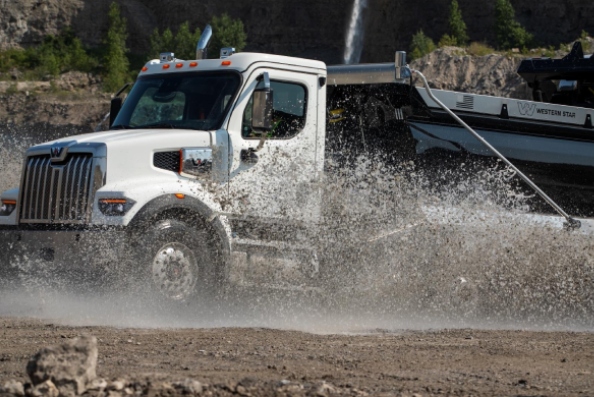
Gravel trucks that operate in Alberta and British Columbia face some of the toughest working conditions in the entire transportation industry. Constant exposure to abrasive aggregate, rough haul roads, heavy payloads, steep grades, and changing weather conditions accelerates wear on critical components. While most fleet managers maintain regular service intervals, some of the most expensive failures develop gradually and may not be obvious during routine inspections. Identifying wear and tear early can help reduce unplanned downtime, reduce repair costs, and extend your vehicle’s life.
Hoists and Hydraulic Systems
The hydraulic hoist system is among the hardest-working components on a gravel truck. Frequent dump cycles put significant stress on the many components, such as:
- cylinders
- pins
- bushings
- mounting points
- hydraulic lines
Small hydraulic leaks, uneven lifting, or sluggish cycle times may indicate issues that can quickly escalate if ignored.
You should also pay close attention to issues such as cylinder rod scoring, worn pivot points, and signs of frame stress near hoist mounts. Dirt and aggregate contamination can also accelerate wear in hydraulic seals and valves, particularly when trucks constantly operate in dusty pit environments.
Suspension and Walking Beam Components
Gravel roads create continuous shock loading throughout a truck’s suspension system. Walking beam suspensions, torque rods, equalizer bushings, spring hangers, and U-bolts are common wear points that directly affect ride quality, load stability, and tire wear.
Excessive movement, uneven ride height, or abnormal tire wear patterns often indicate worn suspension components. Left unchecked, these issues increase stress on the frame and drivetrain and reduce overall vehicle control, leading to increased need for repairs and even safety hazards.
Box, Floor, and Tailgate Wear
High-cycle operations hauling abrasive materials such as gravel, sand, crushed rock, and asphalt can gradually thin steel floors and sidewalls. Wear is often concentrated in loading impact zones and areas where material slides during unloading.
Fleet operators should inspect for cracking around crossmembers, tailgate hinge wear, and floor thinning before structural damage occurs. Addressing localized wear through reinforcement or liner replacement is generally far less expensive than major box repairs or replacement.
Driveline and Differential Components
Heavy loads and frequent starts on grades place substantial strain on driveline components. Universal joints, carrier bearings, differential gears, and axle shafts experience ongoing stress, particularly in off-road applications.
Vibration during acceleration, unusual noises, or visible lubricant leaks may indicate early-stage driveline wear. Regular oil analysis and proactive inspections can reveal developing problems before they result in catastrophic failures that take a truck out of service.
Steering, Braking, and Front-End Components
Front-end wear is often accelerated by rough roads, overloaded steering systems, and continuous exposure to dust and debris. Kingpins, tie-rod ends, drag links, wheel bearings, and brake components should receive close attention during preventive maintenance inspections.
Even minor steering play can affect handling and contribute to uneven tyre wear. For fleets operating in mountainous regions throughout Western Canada, maintaining optimal braking performance is equally critical for safety and compliance.
A Preventive Approach Saves Money
Most major gravel truck failures begin as minor wear issues that worsen over time. Successful fleet operators focus on condition-based maintenance, trend tracking, and detailed inspections rather than waiting for components to fail. Monitoring common wear points allows repairs to be scheduled strategically, reducing roadside breakdowns and helping maintain productivity during peak hauling seasons.
RJames Management Group Keeps Your Truck Operational
For gravel truck owners across Alberta and British Columbia, proactive maintenance is a key part of maximizing uptime, protecting equipment investments, and keeping operations running efficiently. RJames Management Group provides comprehensive service for heavy trucks, keeping it operational no matter what the road throws at you.
Call us today to book your gravel truck for preventive maintenance.