


Single-axle vs. Tandem-axle Gravel Trucks in Canada
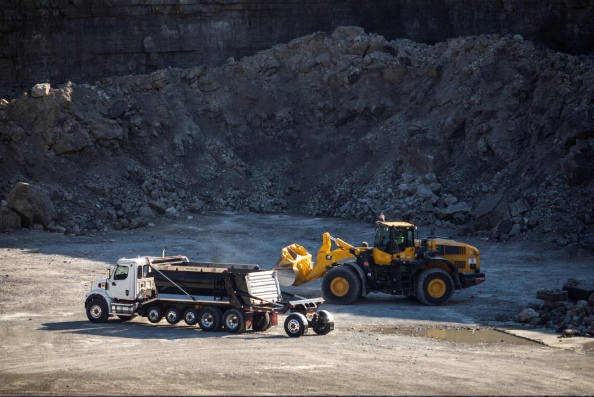
Choosing the right configuration of gravel trucks has a direct impact on payload efficiency, jobsite productivity, operating costs, and compliance across Western Canada’s diverse terrain and regulations. For construction firms and material haulers, the real question isn’t what these trucks are, it’s where and how each configuration delivers the most value.
Below is a technical comparison of single-axle and tandem-axle gravel trucks to help you make an equipment decision that aligns with your operational demands.
Understanding the Operational Context
Gravel hauling conditions across Western Canada vary dramatically, from dense urban infrastructure projects to remote resource and road-building sites. Axle configuration determines payload limits, manoeuvrability, drivetrain stress, fuel efficiency, and long-term maintenance profiles. Selecting the wrong platform can introduce inefficiencies that scale quickly across a fleet.
Single-axle Gravel Trucks: Agility and Urban Efficiency
Payload and Compliance Considerations
Single-axle gravel trucks are typically governed by stricter gross vehicle weight limits due to having only one drive axle. This makes them better suited for lighter aggregate, shorter haul distances, or operations where axle load restrictions are tightly enforced.
Manoeuvrability and Jobsite Access
Where single-axle gravel trucks excel is access. Shorter wheelbases and tighter turning radii make them ideal for urban construction, residential developments, and confined jobsites where space constraints slow larger trucks down.
Cost Profile
Lower acquisition cost, reduced tire counts, and simpler suspension setups often translate into lower upfront and maintenance expenses. For operations running high-frequency, short-cycle hauls, single-axle trucks can offer strong ROI, provided payload demands stay within limits.
When Single-axle Makes Sense
- Municipal and urban construction
- Short-haul aggregate delivery
- Weight-restricted roads and bridges
- Fleets prioritizing lower capital expenditure
Tandem-axle Gravel Trucks: Payload and Productivity at Scale
Payload Capacity and Axle Weight Distribution
Tandem-axle configurations are built for volume. With two drive axles, weight is distributed more effectively, allowing significantly higher legal payloads. Over longer haul distances, this reduces trips per day and lowers cost per tonne moved.
Traction and Terrain Performance
Western Canada’s challenging conditions place higher demands on equipment, and tandem-axle gravel trucks are better suited for gravel roads, uneven grades, seasonal mud, and winter operations. With locking differentials and more robust suspension systems, they maintain dependable performance in environments that can challenge single-axle units.
Durability and Lifecycle Value
While maintenance costs are higher due to additional driveline and suspension components, tandem-axle trucks typically experience lower stress per axle under comparable loads. Over high-volume, demanding applications, this can lead to better long-term durability and uptime.
When Tandem-axle Is the Right Choice
- High-volume gravel and aggregate hauling
- Long-distance or regional routes
- Resource, highway, and large-scale infrastructure projects
- Operations prioritizing productivity per trip
Key Decision Factors for Fleet Managers
Total Cost of Ownership (TCO)
Look beyond purchase price. Fuel consumption per tonne, tire life, brake wear, and maintenance intervals should factor into your decision. Tandem-axle trucks often win on cost-per-tonne over time, while single-axles can be more economical in constrained applications.
Regulatory Environment
Axle regulations and seasonal weight restrictions differ across provinces and municipalities. Matching axle configuration to regulatory realities helps avoid underutilization or compliance risks.
Fleet Standardization and Utilization
Many operators also assess whether a single truck platform can accommodate multiple aggregate types across varying job profiles. This consideration is particularly relevant for BC and Alberta fleets hauling materials with different densities throughout the year. When trucks are properly spec’d for axle rating, suspension, and body configuration, this approach can improve utilization and simplify deployment. Fleet standardization can also reduce parts inventory complexity and streamline technician training, provided typical workloads do not require maintaining multiple axle configurations.
Powertrain Configuration and Fuel Efficiency at Scale
Axle count determines how much you carry, but powertrain efficiency determines how efficiently you move it. In tandem-axle operations especially, automated manual transmissions have become a critical lever for reducing fuel spend and standardizing performance across drivers.
Technologies like the DT12 transmission optimize shift logic under load, improve engine braking consistency, and contribute to measurable fuel savings over long-haul cycles. When paired with higher-capacity axle configurations, transmission efficiency compounds quickly across fleets operating at scale.
Making the Right Call for Your Operation
Neither configuration is universally better, each fills a specific operational role. High-density urban projects benefit from the agility and cost efficiency of single-axle gravel trucks, while high-output hauling operations gain measurable productivity advantages from tandem-axle platforms. The smartest fleets align axle choice with haul distance, material density, terrain, and regulatory conditions.
Talk to the Experts
If you’re evaluating your next gravel truck, whether for fleet expansion, replacement, or optimization, RJames Management Group Ltd can help you select a configuration that fits your workload, compliance requirements, and performance expectations. Reach out to us and let our experienced team help you choose the right truck for your operations in Western Canada.