


Choosing the Right Vocational Truck Mix in Western Canada
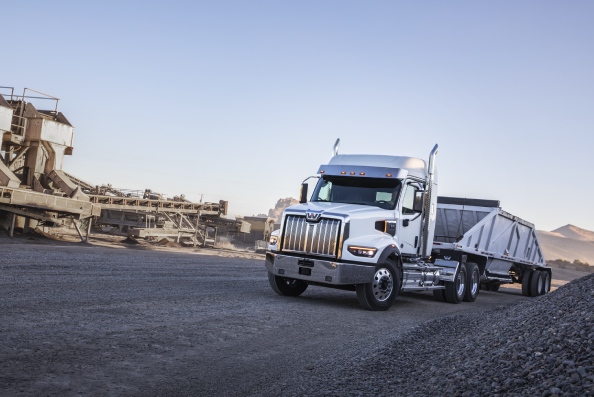
For fleet managers and procurement specialists in construction, aggregates, waste management, and municipal services, building the right vocational truck mix in Western Canada is a core driver of operational efficiency, cost control, and asset utilization.
Vocational fleets operate in highly variable duty cycles and rarely rely on standardized equipment. Performance depends on correctly matching chassis, powertrain, and body configurations to specific application demands.
What Is a Vocational Truck Fleet Mix?
It is not simply a procurement strategy, it is a systems-based approach to aligning equipment capability with job-specific requirements.
Why Single-Configuration Fleets Are Inefficient
Vocational operations impose diverse and often conflicting requirements that cannot be met with a single platform. Typical functional demands include:
- High-volume aggregate and material transport
- Ready-mix concrete delivery under time constraints
- Municipal infrastructure maintenance and servicing
- Waste collection with high-frequency stop/start cycles
- Specialized lifting, towing, and on-site material handling
Attempting to standardize across these applications typically results in:
- reduced productivity per unit
- increased mechanical stress and premature wear
- inefficient fuel consumption
- higher lifecycle maintenance costs
A diversified, application-specific fleet architecture is required to maintain uptime and operational flexibility.
Factors to Consider When Building Your Fleet Mix
-Operating Environment and Duty Cycle
Western Canada presents a range of operating environments, including:
- high-density urban corridors
- remote industrial and resource sites
- seasonal access and weather-dependent routes
Truck specifications should align with the most demanding conditions your fleet encounters.
-Payload and Axle Configuration
Axle selection is a critical determinant of:
- legal load distribution compliance
- drivetrain stress management
- tire wear optimization
- long-term structural integrity
Fleet design must align with applicable Transport Canada weight and configuration standards.
-Durability for Canadian Climates
Vocational equipment operating in Western Canada must account for:
- cold-start reliability thresholds
- corrosion resistance in winter conditions
- thermal cycling across extreme temperature ranges
- braking system performance under snow and ice conditions
Ongoing support through fleet maintenance and service plays a major role in protecting uptime and total cost of ownership.
Fuel Efficiency and Operating Costs
Vocational fleets often operate on tight margins. Fuel efficiency, service intervals, and parts availability all impact operating expenses over the truck’s lifecycle.
Build a Smarter Vocational Fleet with Expert Guidance
In vocational trucking, performance is determined not by individual vehicle capability alone, but by how effectively the fleet is engineered as a system.
RJames Management Group works with fleet operators across Alberta and British Columbia to support vocational truck acquisition, specification, and lifecycle service strategies.
With multi-location coverage across Western Canada, support extends beyond sales into long-term operational alignment and service continuity.
Ready to optimize your fleet?
Contact RJames Management Group today to discuss your vocational truck requirements and build a fleet mix that works as hard as you do.