

Can One Truck Handle Multiple Aggregate Types? A guide for BC and Alberta Fleets
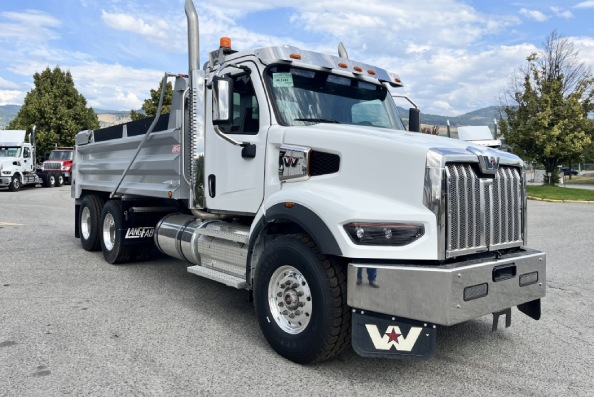
Construction fleets across BC and Alberta handle a steady mix of sand, gravel, crushed stone and other aggregates. Each load affects safety, productivity and equipment wear, so choosing the right truck matters.
Many trucks and trailers can haul multiple aggregate types safely when the configuration, payload rating and bed design match the materials.
This guide explains the key factors that determine multi-material capability, the advantages and limitations of using one truck and what fleet managers should consider when selecting equipment.
Supporting Local Fleets Across Western Canada
Fleet operators from Kamloops to Calgary handle a wide range of job requirements. Whether it is municipal roadwork, commercial construction or aggregate supply for large projects, many managers want equipment that can adapt to changing material needs. One common question is whether a single truck or trailer can support different aggregate types without adding unnecessary risk or downtime.
Key Factors That Determine Whether One Truck Can Handle Multiple Aggregates
Truck Design and Bed Type
The body configuration determines how well a truck or trailer handles different materials. Many units can work with several aggregate types depending on the design:
- Dump bodies
- Hopper-style bodies
- Reinforced or lined beds for high-density materials
Standard dump bodies work well for sand and gravel, while dense or abrasive aggregates often need reinforced floors or abrasion-resistant liners. Some fleets also prefer trailer configurations for multi-material hauling, particularly when switching between coarse stone and finer materials.
Weight and Payload Capacity
Aggregate density varies significantly. Even if a material physically fits in the bed, it may exceed legal or manufacturer weight limits. Managers should confirm:
- Payload rating for the chassis
- Axle configuration
- Expected density range for each material
Staying within rated limits helps protect equipment and ensures safe operation on BC and Alberta highways.
Material Compatibility
Some aggregates cause higher wear, while others risk contamination if mixed. Fleet operators may need to consider:
- Liner material and wear protection
- Corrosion resistance
- Cleaning requirements between loads
These factors are especially important when switching between fine materials and coarse stone.
Loading and Unloading Efficiency
Loading and unloading methods affect multi-material versatility. Certain aggregates require steeper dump angles, while others flow more easily. Choosing the right design helps prevent bridging, incomplete unloading or operator delays.
Advantages of Using One Truck for Multiple Aggregates
A single truck that supports different materials can improve operational flexibility.
- Improved scheduling efficiency
- Fewer vehicles required for small or mid-sized fleets
- Reduced capital investment compared with buying multiple specialized units
- Better use of fleet assets during seasonal or project-based work
With the correct setup, one unit can support several hauling needs without compromising safety.
Challenges and Limitations
Multi-material hauling has practical limits. Key challenges include:
- Increased wear when transporting abrasive stone
- More frequent cleaning to avoid contamination
- Payload restrictions when hauling dense materials
- Reduced efficiency if the truck is not optimized for a specific aggregate type
These considerations help managers choose the best configuration for long-term performance.
How the Right Truck Improves Fleet Efficiency
Selecting the correct equipment contributes to smoother operations.
- Trucks that match their load types experience less premature wear.
- Proper unloading angles and bed surfaces support consistent cycle times.
- Versatile trucks support a wider range of jobs, which helps maximize equipment use.
Checklist: How to Choose a Truck for Mixed Aggregate Hauling
Fleet managers can use this quick reference when evaluating equipment options:
- Confirm the payload capacity for the heaviest material
- Check for abrasion-resistant liners
- Review the density and flow characteristics of each aggregate
- Evaluate the needed dump angle for safe unloading
- Consider bed shape and floor reinforcement
- Assess how quickly the unit can be cleaned between loads
This checklist helps ensure the truck supports the full range of materials a fleet expects to haul.
FAQ for Multi-Material Aggregate Hauling
What type of truck is best for hauling different aggregates?
A properly rated dump truck or hopper-style truck can handle several aggregate types when the bed is reinforced, and the payload capacity meets the load requirements.
Can one truck haul sand and gravel?
Yes. Most dump trucks can manage both materials as long as operators monitor weight limits and use proper wear protection when needed.
Do trucks need to be cleaned between different materials?
Cleaning depends on the materials involved. Fine, wet or abrasive aggregates may require faster or more frequent cleaning to prevent contamination.
Does upgrading the liner make a difference?
Yes. Abrasion-resistant liners can extend the lifespan of the equipment when transporting heavy stone or sharp materials.
How do I choose a truck for mixed aggregate hauling?
Look at payload limits, bed design, liner type, unloading angle and expected material density.
Talk to RJames About the Right Equipment for Your Fleet
If you need new or used trucks or trailers suited for hauling different aggregate materials, the team at RJames Management Group Ltd can help you choose equipment that supports your day-to-day work across BC and Alberta. They can guide you through payload needs, bed designs and trailer options so you can match the right unit to your hauling requirements. Call us today to set up the right equipment for your fleet.