
DT12 Transmission vs Manual: Long-Term Cost of Ownership for Fleets
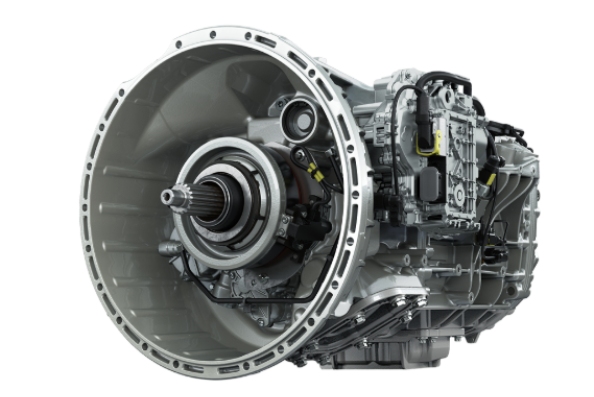
Every transmission decision affects your bottom line. From fuel consumption and maintenance expenses to driver recruitment, uptime, and resale value, the transmission you choose can have a significant impact on your fleet’s long-term profitability. As operating costs continue to climb across Alberta and British Columbia, more fleet managers are questioning whether traditional manual transmissions still offer the best return on investment or if the Detroit™ DT12 automated manual transmission (AMT) is the smarter long-term choice.
At RJames Western Star, we work with fleets operating in demanding on-highway and vocational applications throughout Western Canada. Whether you’re growing your fleet, replacing aging trucks, or planning your next equipment investment, understanding the true cost of transmission ownership can help you make more informed, profitable decisions.
Looking Beyond the Purchase Price
A manual transmission may appear less expensive upfront, but long-term fleet economics tell a more complete story. Total cost of ownership is influenced by several factors, including fuel consumption, repair frequency, driver performance, training requirements, and vehicle resale value.
The DT12 transmission was engineered specifically for commercial trucking applications and is available across both on-highway and vocational truck platforms. Unlike traditional manuals, the DT12 uses intelligent electronic controls to optimize gear selection based on vehicle load, terrain, and operating conditions. For fleets that regularly haul freight throughout Alberta, BC, and the Mountain West corridors, this technology can translate into measurable operational savings over the life of the truck.
Fuel Efficiency Adds Up Over Time
Fuel remains one of the largest operating expenses for any fleet. Even small improvements in fuel economy can generate significant savings when multiplied across multiple units and hundreds of thousands of kilometres annually.
The DT12 transmission continuously selects the most efficient gear for operating conditions. Because gear shifts are optimized electronically, fleets often experience more consistent fuel performance regardless of driver experience levels.
Manual transmissions, on the other hand, depend heavily on individual driver habits. Missed shifts, excessive engine speed, and inconsistent shifting patterns can negatively impact fuel economy over time. For fleets operating long-haul routes between Vancouver, Calgary, Edmonton, and surrounding regional markets, transmission efficiency can have a meaningful impact on annual operating costs.
Reducing Wear and Maintenance Costs
Maintenance expenses are another area where fleet operators should evaluate long-term ownership costs.
With a manual transmission, clutch wear represents a significant maintenance consideration. Frequent stop-and-go driving, driver technique variations, and heavy vocational applications can accelerate clutch replacement intervals and increase repair costs.
The DT12 AMT eliminates much of the variability associated with manual clutch operation. By managing shifting electronically, the system reduces unnecessary drivetrain stress and helps improve component longevity.
Fleet managers often value the predictability this provides when developing maintenance schedules. Combined with professional support from experienced service departments, transmission-related downtime can become easier to manage and forecast.
At RJames Western Star, our Service team helps fleets maintain truck performance through preventative maintenance, diagnostics, and repair support designed to maximize uptime.
Driver Recruitment and Retention Matter
One often overlooked ownership cost involves driver recruitment and retention. The transportation industry continues to face driver shortages across many Western Canadian markets. Newer drivers entering the industry increasingly train on automated transmissions and may prefer equipment equipped with modern AMT technology.
Benefits commonly associated with DT12-equipped trucks include:
- reduced driver fatigue during long-haul and urban operations
- easier operation for fleets managing drivers with varying experience levels
By reducing the learning curve and improving driver comfort, fleets may broaden their hiring pool while potentially lowering training-related expenses.
Vocational Applications Are Changing the Equation
Historically, manual transmissions dominated vocational trucking applications. Today, modern DT12 vocational transmission configurations are designed to support demanding jobs such as construction, resource development, logging, municipal services, and heavy hauling operations throughout Alberta and British Columbia.
The latest DT12 vocational and on-highway transmission platforms deliver automated shifting while maintaining the durability and performance professional operators expect in challenging operating environments. This makes automated transmission technology increasingly attractive for both highway fleets and vocational operators seeking lower long-term operating costs.
Considering Resale Value
When trucks reach the end of their service life, resale value becomes an important component of total ownership cost. As AMT-equipped trucks become more common across the industry, used truck buyers are increasingly familiar with automated transmission technology. Fleet managers planning cyclical equipment replacement strategies may find that broader market acceptance supports future resale opportunities.
Whether you’re exploring new trucks, searching for quality used trucks, evaluating new trailers and used trailers, sourcing parts, considering long-term ownership costs can help support smarter purchasing decisions.
The Bottom Line
For many fleets operating throughout Alberta and British Columbia, the DT12 automated manual transmission offers advantages that extend well beyond the initial purchase price. Improved fuel efficiency, reduced maintenance variability, enhanced driver recruitment potential, and strong long-term operating performance can all contribute to a lower total cost of ownership compared to traditional manual transmissions.
As fleet economics continue to evolve, evaluating transmission technology through a long-term financial lens can help operators make better-informed equipment decisions that support profitability for years to come.
Contact RJames Western Star today to discuss DT12-equipped trucks, fleet solutions, parts support, trailers, and service options designed for Western Canadian operations.