

Downtime Reduction with Automated Transmissions
For fleet managers in B.C. and Alberta, downtime is not an abstraction. It is a truck sitting in a yard, a driver waiting and a delivery window slipping away. Much of the downtime conversation focuses on engines and brakes, yet the transmission deserves a closer look. Automated manual transmissions have matured into one of the most practical tools for keeping heavy-duty trucks on the road and understanding why can sharpen your next spec decision.
Where Driveline Downtime Actually Comes From
In a traditional manual driveline, the clutch is a wear item exposed to constant human variability. Aggressive shifting, riding the clutch on grades and missed gears in mountain corridors all accelerate wear on the clutch, the synchronizers and the driveline. Multiply that across a mixed-skill driver pool and the maintenance pattern becomes hard to predict. Unplanned clutch and driveline repairs are among the costliest forms of downtime, because they often strand a unit far from your shop.
How Automated Transmissions Cut Downtime
Fewer clutch and driveline failures
An automated transmission takes the driver out of the clutch equation. It engages and protects the clutch electronically, which standardizes shift behaviour across every driver in your fleet. The result is more consistent wear, fewer surprise failures and a maintenance interval you can actually forecast.
Drivetrain Protection Built into the Logic
Modern units use sensor and grade data to select the right gear and shield the driveline from shock loads. Controlled launches and intelligent gear selection reduce the abuse that leads to premature component fatigue. Less abuse means fewer shop visits and a longer service life for expensive driveline parts.
Faster Diagnostics and Serviceability
When something does go wrong, an automated transmission talks. Fault codes and telematics integration let a technician pinpoint an issue before the truck even arrives, which compresses diagnostic time and returns the unit to rotation sooner. For fleets running tight schedules, that diagnostic head start is real uptime.
The Detroit DT12 in Real Fleet Use
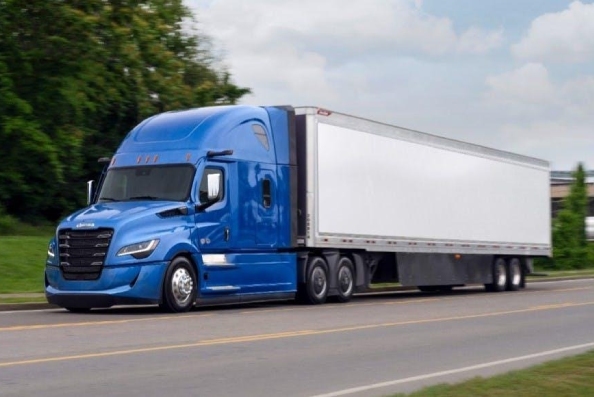
If you run Freightliner or Western Star chassis’, the Detroit DT12 is the automated transmission you will meet most often. Its integration with the Detroit powertrain lets the engine and transmission communicate as one system, matching shift points to the load and the road. Across long-haul and vocational duty cycles in western Canada, that integration translates into smoother operation, reduced driveline stress and fewer of the small failures that pull trucks out of service. You can review the full lineup on the Freightliner trucks or Western Star Trucks site when you plan your next acquisition.
Protecting the Uptime You Spec
Specifying an automated transmission is only half the equation. It still depends on fluid condition, software updates and timely inspection to deliver its uptime advantage. A maintenance partner who knows these systems keeps the gains intact. Keeping the right components on hand matters too, which is why a well-stocked parts department is one of the quietest contributors to fleet uptime. When service is due, you can book a service appointment at the location nearest your route and avoid a longer wait.
Spec It Right with the Right Dealer
The difference between a transmission that reduces downtime and one that simply moves the problem often comes down to who specs, installs and supports it. A dealer with deep Western Star and Freightliner experience can match the transmission to your duty cycle from the start. With locations across B.C. and Alberta and Daimler-trained technicians, RJames Management Group helps fleets keep automated drivelines running where they belong: on the road. Ready to cut downtime on your next build? Call your nearest RJames Management Group location to talk through the right transmission spec for your fleet.